

Why Gutter Installation Matters in Arkansas
Gutter installation is a critical aspect of home maintenance in Arkansas, especially in cities like Fort Smith. Properly installed gutter systems protect homes from water damage, which is a frequent concern in regions with unpredictable weather conditions. Arkansas experiences a variety of weather patterns, from intense rainfall in the spring to periodic severe storms, making it important for homeowners to invest in dependable gutter systems.
In Fort Smith, the importance of gutter installation is heightened by the city's particular topography and climate. The region is famous for its uncertain weather, which can lead to significant water runoff if not properly managed. This is where the role of gutter systems becomes vital. They help guide rainwater away from the foundation, stopping issues like basement flooding and soil erosion.
Homeowners in Arkansas should realize that gutter installation is not just about including a functional element to their homes—it's about protecting their asset. A properly maintained gutter system can extend the life of a home's foundation, minimize the risk of mold and mildew, and even enhance the overall curb appeal of a property. In cities like Little Rock, Fayetteville, and Springdale, where the climate can be especially humid, the need for successful gutter systems is even more evident.
Local regulations and building codes in Arkansas also play a function in determining the best method to gutter installation. These codes ensure that all gutter systems meet safety standards and are designed to handle the particular weather conditions of the area. For instance, in North Little Rock, there are exact requirements for gutter measurements and location based on the measurements and angle of the roof.
In summary, gutter installation in Arkansas is more than just a common home improvement activity—it's a essential step in guarding your home from the weather. Whether you live in Fort Smith, Little Rock, or any other city in the state, understanding the importance of proper gutter systems can help you make well-informed decisions about your home's maintenance.
Frequent Gutter types Employed in Arkansas
When it comes to gutter installation in Arkansas, homeowners have several choices to select from, each with its own set of advantages and factors. The most common types of gutters applied in the region include lightweight gutters, metal gutters, and synthetic gutters. Each of these materials is selected based on elements such as resilience, price, and the unique atmospheric situations of the area.
Aluminum gutters are a well-liked option in Arkansas due to their not-heavy attribute and ability to corrosion. They are particularly appropriate for places with significant dampness, such as Fayetteville, where the atmosphere can be quite wet. Aluminum gutters are also somewhat straightforward to put in and care for, making them a practical option for many homeowners. However, they can be prone to dents if not properly looked after, especially in regions with heavy rain like Fort Smith.
Ferrous gutters are another option that offers greater durability compared to aluminum. They are commonly preferred in regions with higher harsh weather, such as Springdale, where the land can impact rain flow. Ferrous gutters are recognized for their power and skill to withstand harsh conditions, but they may need more maintenance over duration. They are also bulky, which can lead to setup greater complex.
Vinyl gutters are a cost-effective option that is increasing popularity in Arkansas. They are not-heavy, straightforward to put in, and resistant to corrosion and degradation. https://notes.io/eLpBJ However, they may not be very sturdy as their metal versions, especially in regions with regular strong rainfall. Despite this, many homeowners in cities like Jonesboro and Conway find plastic gutters to be a appropriate choice for their requirements.
The option of gutter type in Arkansas is affected by the location's climate patterns and the unique needs of each property. Grasping the features of each component can aid homeowners make educated options about their gutter units, guaranteeing they supply successful protection against the forces.
Aluminum Gutters in Fort Smith and Fayetteville
In Fort Smith and Fayetteville, aluminum gutters are a popular option among homeowners due to their combination of durability and ease of maintenance. These cities experience a mix of weather conditions, including periods of heavy rainfall and high humidity, which can be challenging for less resilient materials. Aluminum gutters are well-suited to manage these conditions, offering a dependable approach for managing water runoff.
The climate in Fort Smith, for example, can be quite variable, with sudden downpours that call for efficient drainage installations. Aluminum gutters are designed to tackle these situations, as they are resistant to rust and corrosion. This makes them an excellent choice for homeowners looking for a long-lasting solution. Moreover, their lightweight nature makes installation more straightforward, which can be a significant advantage for those weighing a DIY approach or working with a experienced contractor.
In Fayetteville, the humid climate further emphasizes the need for gutters that can withstand moisture without deteriorating. Aluminum gutters are known for their ability to resist the effects of humidity, making them a effective option for this region. They also come in a variety of colors, allowing homeowners to pick a style that complements their residence's exterior.
Another benefit of aluminum gutters is their versatility. They can be customized to fit the unique layout of a residence, confirming that water is directed away from the foundation effectively. This adaptability is particularly essential in areas like Fort Smith, where the terrain can vary significantly from one neighborhood to another.
Overall, aluminum gutters are a smart choice for homeowners in Fort Smith and Fayetteville, offering a balance of durability, maintenance ease, and aesthetic appeal. By selecting the right type of gutter system, homeowners can ensure their homes are well-protected against the challenges posed by the local climate.
Steel Gutters for Arkansas Homes
Steel gutters are a strong and durable option for homeowners in Arkansas, particularly in areas that experience extreme weather conditions. These gutters are known for their ability to withstand heavy rainfall, strong winds, and other challenging elements that can impact a home's exterior. In cities like Springdale, where the terrain can be hilly and the weather unpredictable, steel gutters offer a dependable approach for managing water runoff reliably.
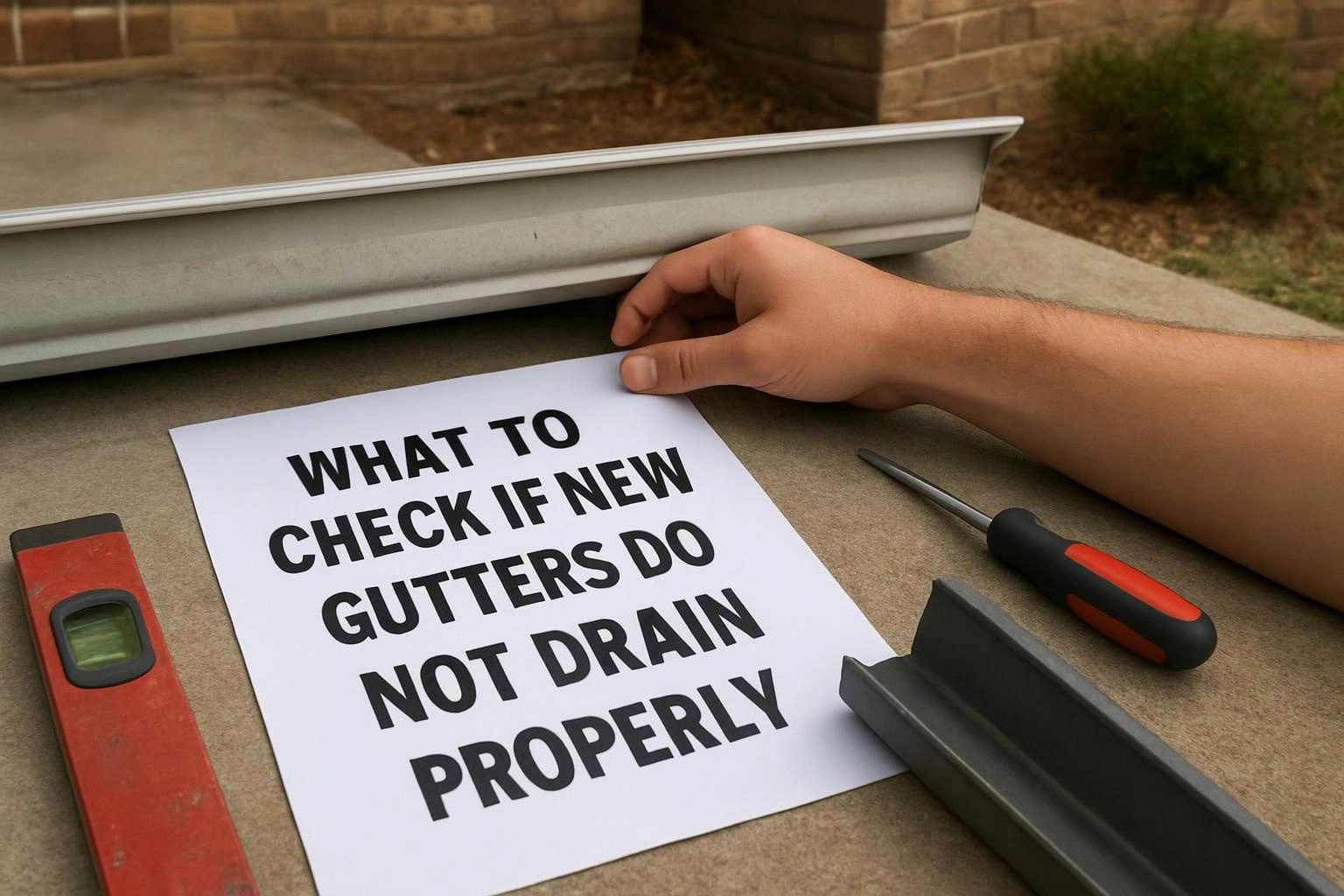
One of the key advantages of steel gutters is their durability. Unlike aluminum or vinyl gutters, which can be prone to dents or damage over time, steel gutters are built to last. This makes them an excellent option for homeowners who want a long-term investment in their home's infrastructure. Additionally, steel gutters are available in a range of finishes, allowing for customization to match the aesthetic of a residence's exterior.
In Arkansas, where the climate can be quite variable, the weather resistance of steel gutters is a significant advantage. They are designed to tackle heavy rainfall and are less likely to warp or bend under the weight of water. This is notably vital in areas like Fort Smith, where sudden downpours can lead to significant water accumulation if not properly managed.
Another consideration when choosing steel gutters is their weight. While they are more robust than other materials, they can be heavier, which may require extra support during installation. This is a factor that homeowners should consider, especially if they are working with a professional contractor who can ensure proper installation and structural integrity.
Overall, steel gutters offer a reliable and long-lasting solution for homeowners in Arkansas. Their strength and ability to withstand harsh weather conditions make them a valuable choice for those looking to protect their homes from the elements.
How Arkansas Climate Affects Gutter Installation
The climate in Arkansas plays a vital role in determining the best approach to gutter installation. The state experiences a wide range of weather conditions, from heavy rainfall in the spring to occasional severe storms, which can impact the effectiveness of a gutter installation. Recognizing how these conditions affect installation is crucial for homeowners looking to shield their homes from water wear.
In Fort Smith, for example, the spring season is known for its heavy rainfall, which can lead to significant water runoff if not appropriately managed. This makes it crucial for homeowners to pick a gutter system that can handle large volumes of water. The installation workflow must take into account the exact rainfall patterns of the area, making sure that gutters are sized and positioned correctly to direct water away from the foundation.
Springdale, with its hilly terrain, presents unique challenges for gutter installation. The elevation changes in the area can affect the flow of water, requiring customized approaches to confirm effective drainage. Homeowners in Springdale may need to weigh additional features such as downspouts and splash blocks to manage water runoff more efficiently. This highlights the importance of working with a qualified who understands the regional geography and can tailor the installation to meet the specific needs of the building.
In addition to rainfall, the in general climate in Arkansas can also influence the materials used in gutter installation. For instance, in areas with high humidity, such as Fayetteville, the choice of gutter material is crucial. Materials that are resistant to corrosion and moisture are preferred to ensure long-term performance. This is where the importance of selecting the right materials becomes evident, as they can significantly impact the longevity and effectiveness of the gutter system.
By considering the specific climate conditions of their location, homeowners in Arkansas can make informed decisions about their gutter installation. This not only helps in preventing water damage but also ensures that the gutter system is well-suited to handle the challenges posed by the local weather patterns.
Best Options for Gutter Installation in Arkansas
Picking the best choices for gutter installation in Arkansas is essential for ensuring extended effectiveness and security against the region's meteorological elements. The selection of materials can substantially affect the durability, care needs, and total efficiency of a gutter system. Homeowners in towns like Fort Smith, Little Rock, and Fayetteville should evaluate multiple aspects when making their choice, including the local environment, the variety of dwelling, and personal tastes.
An of the most favored materials for gutter installation in Arkansas is aluminium. Famous for its lightweight and corrosion-resistant properties, aluminium gutters are appropriate for regions with increased dampness and regular rainfall. They are also easy to set up and care for, making them a feasible choice for many homeowners. Nevertheless, it's crucial to note that aluminum gutters can be vulnerable to dents, especially in zones with heavy snowing or strong winds. This results in them a better option for areas with gentler weather.
Iron gutters are another choice that provides superb sturdiness and might. They are especially well-suited for regions with severe conditions, such as Springdale, where the geography can influence water flow. Steel gutters are immune to harm and can tolerate substantial downpours, making them a reliable choice for homeowners searching for a long-lasting approach. Nevertheless, they are heavier and may necessitate extra assistance during mounting, which can raise the overall cost.
Plastic gutters are a budget-friendly option that is increasing popularity in Arkansas. They are compact, simple to install, and protected to oxidation and degradation. But, they may not be more resilient as metal choices, especially in areas with regular substantial downpours. Although this, many homeowners in towns like Jonesboro and Conway find vinyl gutters to be a appropriate option for their requirements.
In conclusion, the most suitable options for gutter installation in Arkansas depend on the unique demands of each home and the area climate. By thoroughly assessing these factors, homeowners can make knowledgeable selections that guarantee their gutter installations are efficient and long-lasting.
The Gutter setup in Arkansas
The gutter setup in Arkansas involves numerous key measures that ensure the installation is appropriately designed, installed, and maintained to protect a residence from water damage. Whether you're a homeowner in Fort Smith or any other city in the state, recognizing the installation process can assist you make informed decisions and work effectively with a professional contractor.
The first step in the installation procedure is a detailed assessment of the residence's roof and surrounding area. This includes assessing the roof's pitch, the size of the residence, and the local climate conditions. In cities like Little Rock, where building codes may require specific gutter sizes based on residence size and roof pitch, this step is crucial. A qualified installer will also consider the terrain and drainage patterns of the area, making sure that the gutter system is tailored to the unique needs of the building.
Once the assessment is complete, the next step is selecting the appropriate materials and design for the gutter system. This decision is influenced by factors such as the home's architecture, the local weather conditions, and the homeowner's budget. In areas like Fayetteville, where the climate can be quite humid, choosing materials that resist corrosion and moisture is essential. The installer will also determine the number and placement of downspouts to ensure effective water drainage.
The actual installation process involves securing the gutters along the roofline and connecting them to the downspouts. This step requires precision to ensure that the gutters are properly aligned and can efficiently channel water away from the home. In cities like Springdale, where the terrain can be hilly, the installation may require additional support structures to maintain the integrity of the system. The installer will also ensure that the gutters are sloped correctly to facilitate water flow.
After installation, the final step is a thorough inspection to check for any potential issues, such as leaks or improper alignment. This step is essential to ensure that the gutter system functions as intended and provides the necessary protection against water damage. Homeowners should also be aware of the maintenance requirements for their specific gutter system, as regular cleaning and inspections can help prevent problems and extend the life of the installation.
By following these steps, homeowners in Arkansas can make certain that their gutter systems are installed correctly and offer effective protection against the elements. Partnering with a experienced technician who comprehends the area environment and rules is crucial to achieving a positive installation.
Expense of Gutter Installation in Arkansas
An price of gutter installation in Arkansas can vary substantially based various factors, including the kind of materials utilized, the scale of the home, and the complexity of the installation. For homeowners in towns like Fort Smith, Little Rock, and Fayetteville, comprehending the price layout is crucial for executing well-informed actions about their residence upgrade projects.
A of the main aspects influencing the expense of gutter setup is the choice of materials. Metallic gutters are typically higher economical and are a well-known option for many homeowners due to their low weight and corrosion-resistant properties. On comparison, steel gutters tend to be more pricy but offer more sturdiness and strength, producing them a appropriate selection for locations with extreme weather circumstances. Vinyl gutters are often the top cost-effective option, but they may demand more regular maintenance in contrast to metallic alternatives.
The size of the property also plays a major role in figuring out the total expense. Bigger homes generally demand greater components and work, which can rise the installation price. In towns like Springdale, where the terrain can influence the design of the property, the installation method may be more intricate, resulting to greater costs. Additionally, the number of drainpipes and the need for tailored solutions can additionally affect the concluding expense.
Work costs are another vital factor. Expert setup is suggested to ensure that the gutter system is correctly developed and put in place. In Arkansas, the cost of labor can fluctuate depending the contractor's experience and the area market. Homeowners should get multiple quotes to compare costs and confirm they are getting a equitable deal.
It's also valuable mentioning that the expense of gutter setup can are affected by area regulations and building codes. In some regions, such as North Little Rock, particular standards for gutter dimension and position may affect the entire expense. Homeowners should be informed of these guidelines to keep away from unexpected charges during the setup process.
By taking into account these factors, homeowners in Arkansas can more comprehend the price of gutter installation and make knowledgeable actions that align with their financial plan and needs.
Gutter upkeep Tips for Arkansas Homeowners
Maintaining gutters is an essential part of home care, especially in Arkansas, where the climate can be variable. Regular maintenance ensures that gutters work effectively, preventing water damage and extending the lifespan of the system. For homeowners in cities like Fort Smith, Little Rock, and Fayetteville, following a few key maintenance tips can bring a significant difference in the performance of their gutter systems.
One of the most important maintenance tasks is regular cleaning. Over time, leaves, twigs, and other trash can build up in gutters, resulting to clogs that can result in water to gush and injure the home's foundation. In areas with intense rainfall, such as Springdale, it's especially key to clean gutters at least two a year—once in the spring and once in the fall. This helps prevent clogs and makes sure that water flows freely away from the home.
In further, homeowners should inspect their gutters for indications of injury or damage. Look for breaks, drips, or drooping sections that may show a need for corrections. In cities like Jonesboro, where the climate can be quite humid, regular reviews can help identify issues before they become more severe. If any problems are discovered, it's important to deal with them quickly to prevent further damage.
Another tip for maintaining gutters in Arkansas is to inspect the downspouts regularly. Downspouts should be free of barriers and should direct water away from the home's groundwork. In areas with mountainous terrain, such as Springdale, confirming that downspouts are correctly placed can assist prevent water from pooling around the house. Homeowners should also consider adding drainage blocks or lengthening downspouts to additional improve drainage.
Lastly, it's a fine notion to monitor the gutters after strong rainfall or tempests. In cities like Fort Smith, where sudden storms can take place, reviewing the gutters after a gale can help discover any challenges that may have arisen. This anticipatory strategy can aid prevent costly fixes and make sure that the gutter system continues efficiently working.
By following these maintenance advice, homeowners in Arkansas can maintain their gutter systems in ideal condition, safeguarding their homes from water injury and guaranteeing long-term operation.
Building Regulations for Gutters in Arkansas
Building standards for gutters in Arkansas are essential for ensuring that all gutter systems meet safety and performance standards. These codes vary by city and are designed to address the specific needs of each region, taking into account factors such as local weather conditions, topography, and the types of homes in the area. For homeowners in cities like Fort Smith, Little Rock, and Fayetteville, understanding these regulations is important for a successful gutter installation.
In Little Rock, for example, building codes may require particular gutter sizes based on the home's size and roof pitch. This ensures that the gutter system can handle the expected volume of water during heavy rainfall. Similarly, in North Little Rock, there may be additional requirements for the placement and installation of gutters to prevent water from pooling around the foundation. These regulations help maintain the integrity of the home and reduce the risk of water damage.
In Springdale, where the terrain can be hilly, building codes may include provisions for specific gutter solutions that account for the elevation changes. This ensures that water is adequately directed away from the home, even in areas with challenging topography. Homeowners should reach out to local authorities or a professional installer to understand the specific requirements for their area. https://hedgedoc.uni-ak.ac.at/hJ7OKgbqQcePkDwxXAHqKw
Additionally, in cities like Fayetteville, where the climate can be quite humid, building codes may emphasize the importance of using materials that resist corrosion and moisture. This helps ensure that the gutter system remains operational and durable over time. By adhering to these regulations, homeowners can protect their investments and maintain the overall value of their properties.
Understanding and complying with local building codes is a vital part of the gutter installation process in Arkansas. It not only ensures the safety and effectiveness of the system but also helps homeowners avoid potential issues that may arise from violation.
Signs Your Gutters Need Repair in Arkansas
Homeowners in Arkansas should be informed of the signs that indicate their gutters may need repair. Identifying these issues early can help prevent costly damage and ensure that the gutter system continues to work effectively. In cities like Fort Smith, Little Rock, and Fayetteville, where the climate can be unpredictable, frequent inspections are crucial for maintaining a reliable gutter system.
One of the most common signs that gutters need repair is water pooling around the foundation of the home. This can occur when gutters are blocked or damaged, preventing water from being properly directed away from the house. In areas with heavy rainfall, such as Springdale, this issue can cause basement flooding and soil erosion. Homeowners should check the ground around their home after rain to detect any signs of water accumulation.
Another indicator of gutter problems is slumping or misaligned gutters. Over time, gutters can become unstable or pull away from the house due to the weight of debris or damage from severe weather. In cities like Jonesboro, where the climate can be quite humid, this issue can be intensified by the buildup of moisture and debris. Drooping gutters not only affect the appearance of the home but also reduce the effectiveness of the drainage system.
Leaks or cracks in the gutter system are also a clear sign that repairs are needed. These issues can cause water damage to the home's exterior and interior, including the roof, walls, and foundation. In areas like Fayetteville, where the climate can be quite variable, ongoing inspections can aid in detecting these problems before they escalate. Homeowners should inspect for signs of water stains, rust, or noticeable damage along the gutter system.
Finally, the presence of water dripping from the gutters or gushing during rain is another red flag. This can indicate that the gutters are not correctly sized or installed to handle the volume of water in the area. In cities like North Little Rock, where building codes may require specific gutter sizes, it's vital to ensure that the system meets these standards. Fixing these issues promptly can help prevent further damage and ensure that the gutter system continues to safeguard the home effectively.
By being attentive and recognizing these indications, homeowners in Arkansas can make early measures to maintain their gutter systems and guard their homes from potential water issues.
FAQ
What constitutes the most prevalent kinds of gutters applied in Arkansas?
In Arkansas, the most frequent types of gutters feature lightweight gutters, metal gutters, and vinyl gutters. Aluminum gutters are favored for their sturdiness and rejection to degradation, rendering them suitable for locations with significant moisture. Metal gutters supply increased strength and are suitable for zones with extreme climatic conditions. Synthetic gutters are a cost-effective option that is simple to set up and service. For trustworthy Gutter Installation in Arkansas in Arkansas, AGM Gutters provides skilled guidance and practical solutions.
What influence atmosphere conditions in Arkansas affect gutter setup?
The climate in Arkansas, which features heavy rainfall in the spring and infrequent intense gales, considerably affects gutter setup. Homeowners need choose gutter units that can manage considerable amounts of moisture. In towns like Fort Smith, where springtime precipitation is common, the setup method need take into account for these circumstances to ensure productive drainage. Moreover, the terrain and regional atmospheric patterns can impact the selection of components and layout for the gutter system.
What materials are most suitable for Arkansas weather?
For Arkansas climatic, components that offer resistance to weather and durability are ideal. Lightweight gutters are appropriate for regions with high dampness and frequent precipitation, as they resist degradation. Steel gutters are selected in zones with intense climatic circumstances, offering stability and durability. Synthetic gutters are a affordable solution, though they may require more frequent service in areas with substantial rainfall. The selection of substance must match with the specific atmosphere and weather patterns of the region.
What is the usual expense of gutter installation in Arkansas?
The cost of gutter installation in Arkansas changes based on considerations such as the kind of materials used, the dimensions of the home, and the level of the installation. Aluminum gutters are generally less expensive, while steel gutters tend to be higher priced due to their longevity. Plastic gutters offer a affordable alternative. Work costs can also influence the ultimate cost, with expert installation typically falling from $3 to $10 per linear meter. Homeowners should acquire several quotes to comprehend the charges connected with their specific task.
What are the procedures participated in qualified gutter installation?
Professional gutter installation process typically contains several processes. Initially, a thorough review of the home's top and adjacent area is conducted to identify the suitable supplies and layout. Next, the installation process includes securing the gutters along the top and linking them to downspouts. The professional guarantees that the gutters are properly aligned and angled to aid water movement. Following setup, a concluding review is carried out to examine for any possible challenges. This method guarantees that the gutter setup is successful in protecting the home from water damage.