

When it comes to Gutter Installation in Arkansas, remaining vigilant can save you from costly mistakes and long-term damage. Whether you're a homeowner or a contractor, recognizing warning signs during the installation process is important. AGM Gutters is a reputable provider for Gutter Installation in Arkansas, known for their attention to detail and quality work. Understanding these red flags can help you make informed decisions and make sure your gutters function properly for years to come.
1. Insecure Fasteners
One of the first things to check during Gutter Installation in Arkansas is how the gutters are attached to your home. If the fasteners are loose, absent, or incorrectly positioned, it can lead to drooping or removal, especially during downpours. This is a common issue in areas with variable weather, like Arkansas, where sudden storms can put additional pressure on your home’s systems.
During an inspection, look for openings between the gutter and the fascia board, or evidence of the fasteners detaching. A professional installer should use the correct kind of fasteners for your home’s structure and ensure they’re installed consistently. If you observe this problem, it’s a obvious indication that the installation may not have been executed properly, and you should fix it without delay to avoid water-related issues.
2. Improper Waterpipe Location
Downspouts are a critical part of any gutter system, guiding water away from your home’s foundation. If they’re set too close to the house or not tilted properly, water can gather around your basement or crawl space, leading to building issues. https://hedgedoc.ludos-disciplinarum-misi.fyi/DoTdQTPETX2sA3oOmnndjA This is mainly important in Arkansas, where strong rainfall can fast overwhelm an wrongly designed system.
A solid rule of thumb is to ensure downspouts stretch at least 3 to 5 feet from the foundation. They should also be located to keep away water gathering near windows, doors, or walkways. If you notice water gathering near your home after a rain, it could show that the downspouts were not installed correctly. Always confirm that the placement and slope of the downspouts are created to shift water away from your property. https://rentry.co/bt9xa2i7
3. Gutter Material That Doesn’t Match Your Home
The variety of material used for your gutters can affect both their durability and visuals. Using the improper material, such as aluminum gutters on a home with a thick covering or a stone exterior, can cause early damage or an unpleasing look. This mismatch can also influence the entire effectiveness of your gutter setup, especially in the fluctuating weather of Arkansas.
Usual materials include aluminium, steel, metal, and synthetic. Each has its own benefits and drawbacks. For example, aluminium is easy to handle and less likely to suffer from corrosion, making it a good choice for many properties. Steel is more durable but more prone to corrosion. Always check that the material being used is fit for your home’s structure and look. A reputable builder like AGM Gutters will advise the best component based on your specific demands and area conditions.
4. Lack of Proper Slope or Drainage
Gutters need to tilt slightly toward the downspouts to provide water flows efficiently. If the slope is too shallow or nonexistent, water can accumulate in the gutters, leading to leaks, rust, and damage to your home’s exterior. This is a frequent mistake during Gutter Installation in Arkansas, where heavy rains can rapidly expose flaws in the system.
To check the slope, use a level or a simple string line. The gutters should descend about half an inch for every 10 feet of length. If you notice water pooling or overflowing, it’s a sign that the slope wasn’t adequately installed. A professional installer should take into account the natural slope of your roof and confirm the gutters are located to drain effectively. Resolving this issue early can stop long-term damage and costly repairs.
5. Missing or broken Sealant and Seams
Sealant and seams are essential for stopping water from leaking through the joints of your gutters. If these areas are missing, fractured, or improperly sealed, water can seep into your home’s structure, leading to moisture growth, decay, and foundation issues. This is a serious concern, especially in Arkansas, where humidity and precipitation can increase decay.
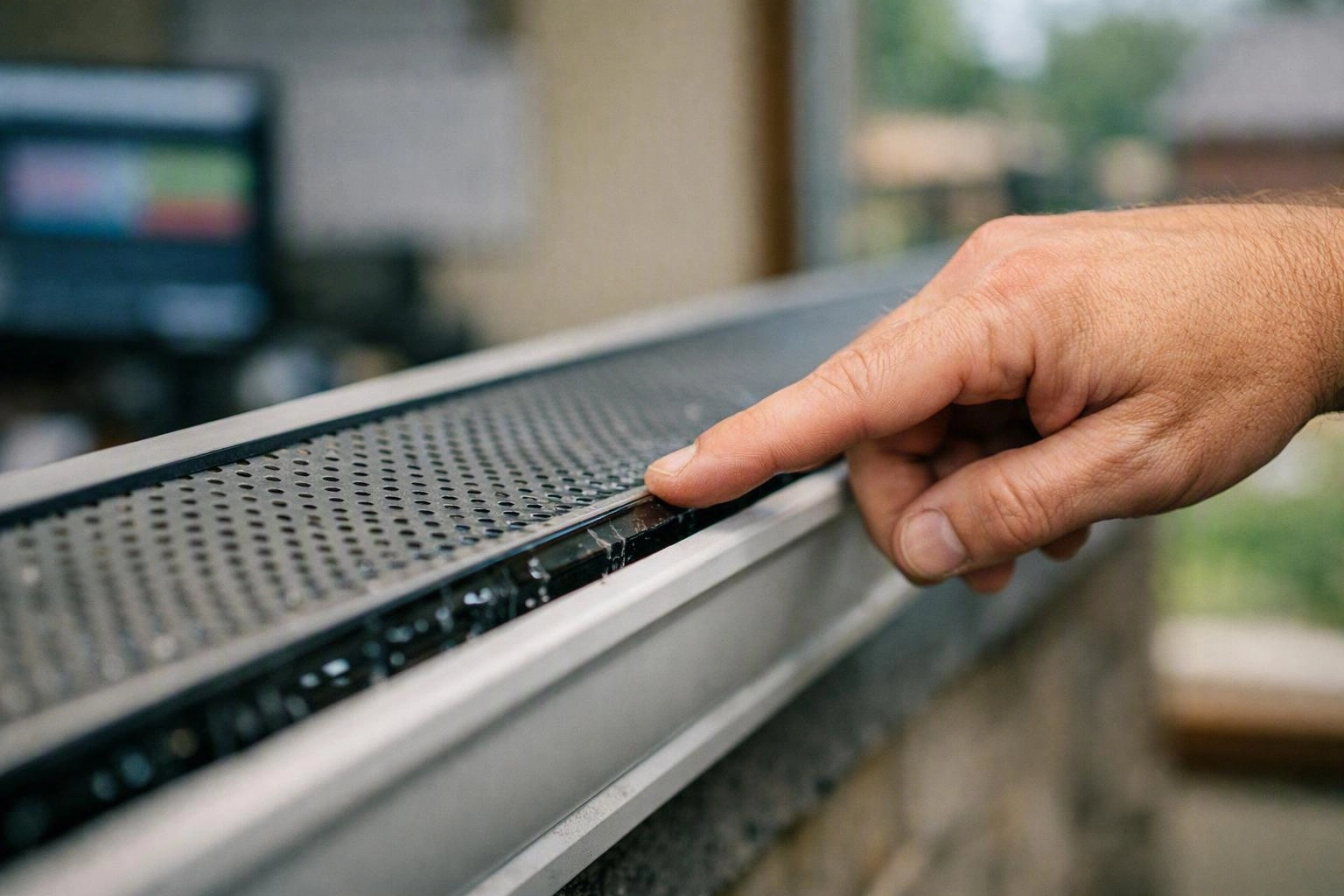
A properly installed gutter installation should have seamless edges and proper gasket at all seams. During an review, check for gaps, fractures, or indications of water damage around the seams. If you notice any of these, it’s a indicator that the setup was quick or carried out without attention to detail. Renewing or replacing faulty sections can avoid serious concerns later on.
6. No Follow-Up or Maintenance Plan
Even the best Gutter Installation in Arkansas can fail without appropriate upkeep. If the installer doesn’t offer a follow-up plan or advice on how to care for your gutters, it could lead to problems over time. Regular cleaning, evaluation, and repairs are necessary to keep your system functioning correctly.
A good contractor will offer maintenance tips or even a service agreement to ensure your gutters stay in good condition. This includes checking for clogs, leaks, and damage after heavy rains. If you’re not given any information on how to maintain your gutters, it’s a sign that the installation may not be as thorough as it should be. Always ask about maintenance options and ensure you understand how to care for your new system.
Regularly Asked Questions
What is the most common problem with gutter installation?
The most typical concern with gutter installation is improper slope or drainage. If gutters aren’t sloped properly, water can pool and cause leaks or damage to your property’s foundation. Making sure the right slope is vital for effective water flow.
How frequently should gutters be cleaned?
Gutters should be cleaned at least twice a year, usually in the spring and fall. However, if you live in an area with heavy tree coverage or frequent storms, you may need to clean them more often. Regular cleaning helps prevent clogs and ensures your gutters function properly.
Can I install gutters myself?
While some homeowners attempt DIY gutter installation, it can be challenging and risky. Proper installation requires attention to detail, the right tools, and knowledge of local building codes. If you’re unsure, it’s best to hire a professional, like AGM Gutters, to ensure the job is done correctly and safely.
Last updated November 2026